Why your hot flashes aren't a heat problem — and the gut-hormone shift that finally cooled them down

I'm a women's health nurse. I spent 25 years telling women to dress in layers and wait it out. Then my own hot flashes hit — in the middle of a patient appointment — and I discovered everything I was taught was missing the real cause.
The first time it truly floored me, I was mid-sentence with a patient.
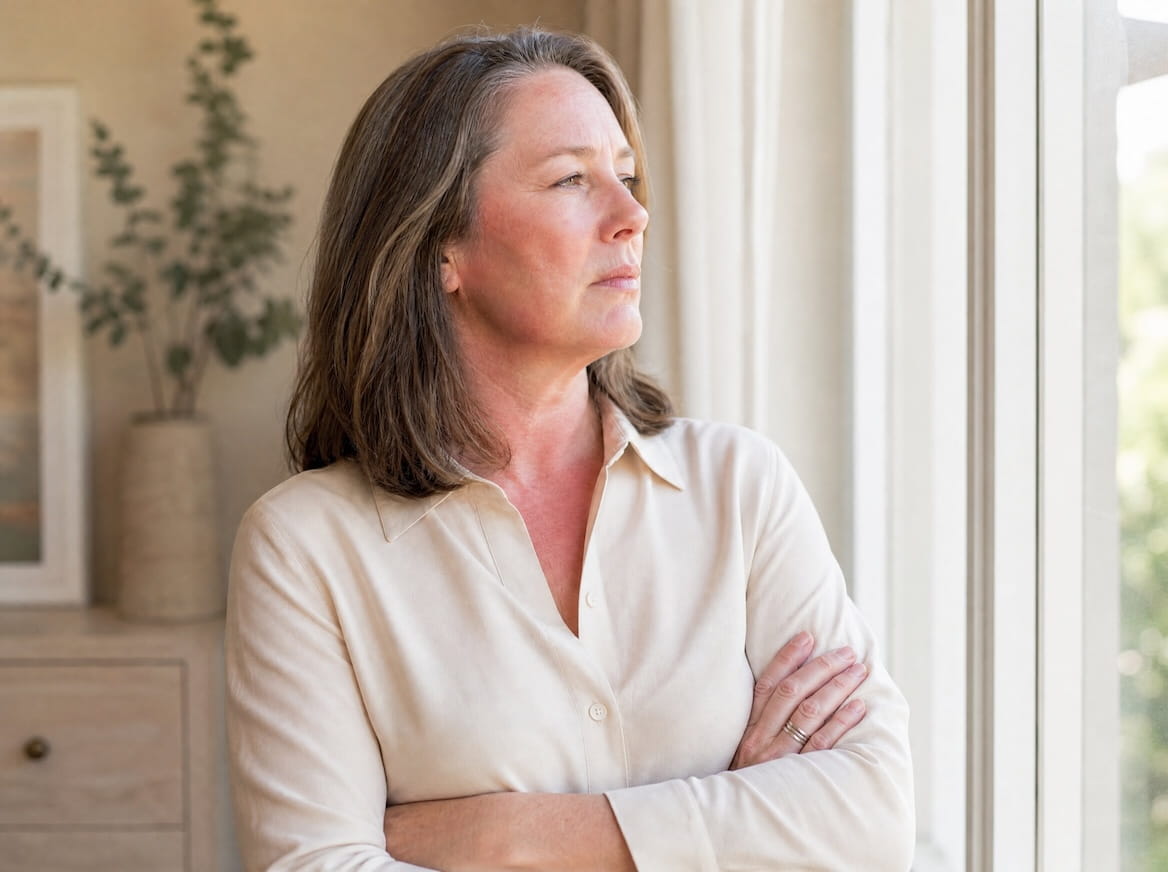
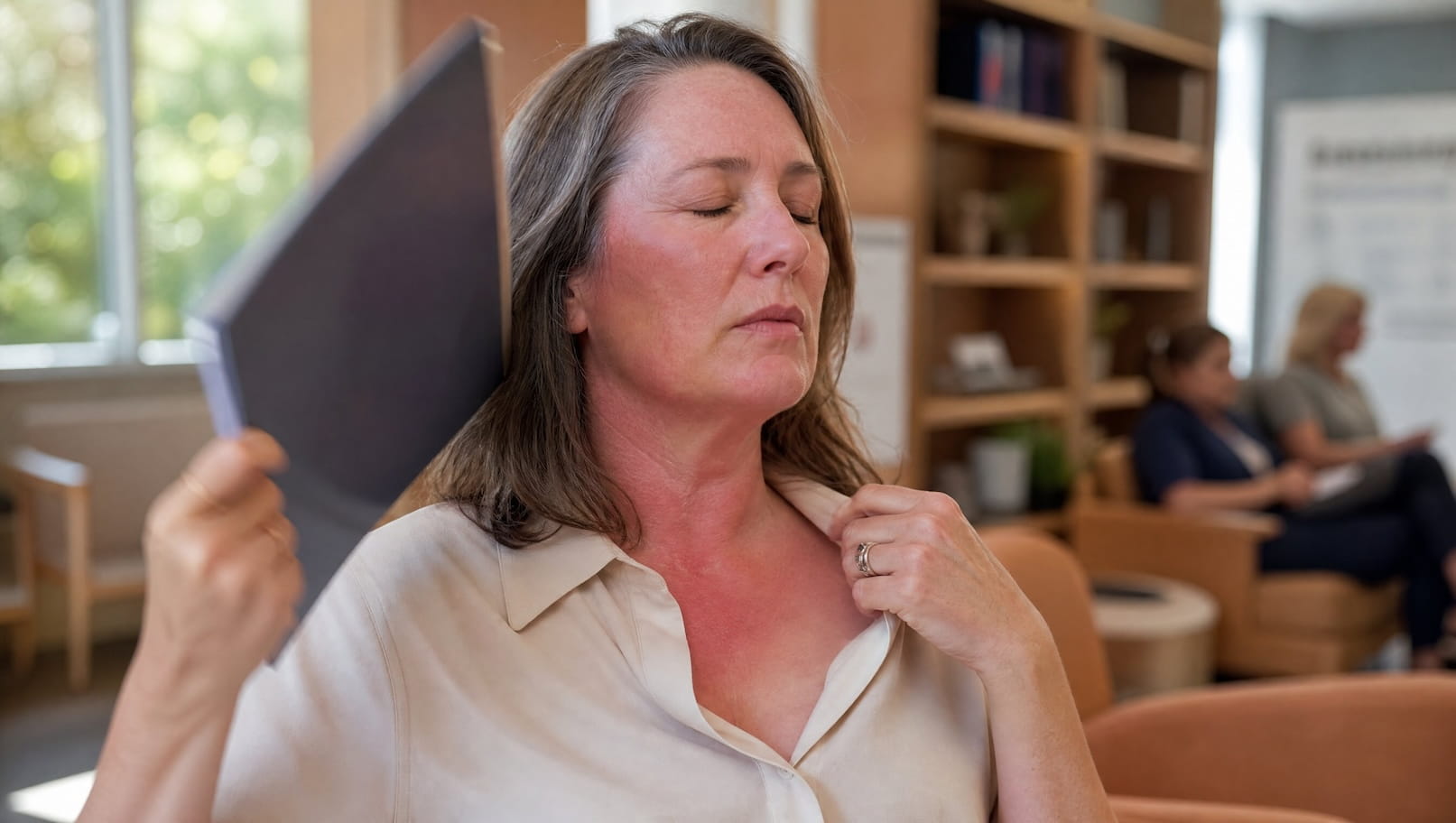
Heat climbed my chest and neck like someone had opened an oven door inside me. My face went crimson. Sweat beaded at my hairline. I had to stop talking, grab a clipboard, and fan myself — in front of a woman who was there for her appointment, not mine.
I mumbled something about the thermostat. But I knew.
I'm a women's health nurse practitioner. For twenty-five years, I'd handed women the same script: "It's just menopause. Dress in layers. Carry a fan. It'll pass."
And there I stood — flushed, dripping, humiliated in my own clinic — realizing I'd been dismissing women for a quarter of a century, and nobody had ever told me what it actually felt like.
It isn't the heat that takes the most from you.
It's everything the heat steals.
The flushes came a dozen times a day. During morning rounds. In the grocery line. At the dinner table with my husband, mid-sentence. My face would ignite without warning, sweat would roll down my back, and I'd quietly fan myself while pretending to follow the conversation.
Then came the night sweats: 3am, sheets soaked through. Change. Lie awake, wired, heart racing. Finally drift off at 4:30 — and the alarm screams at 6.
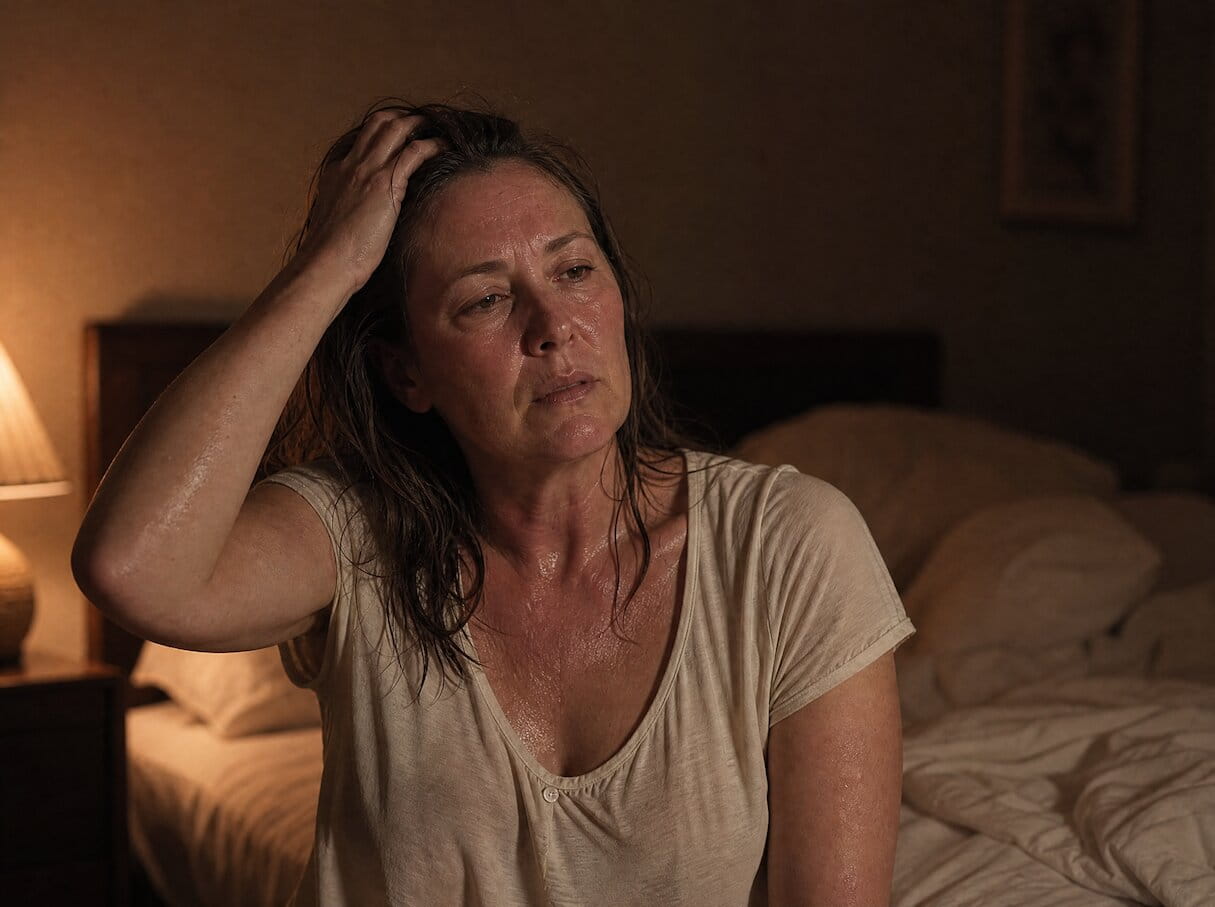
After a week of broken sleep, I couldn't hold a thought past 3pm. I snapped at my kids over nothing. I cried in the parking lot before work and couldn't explain why.
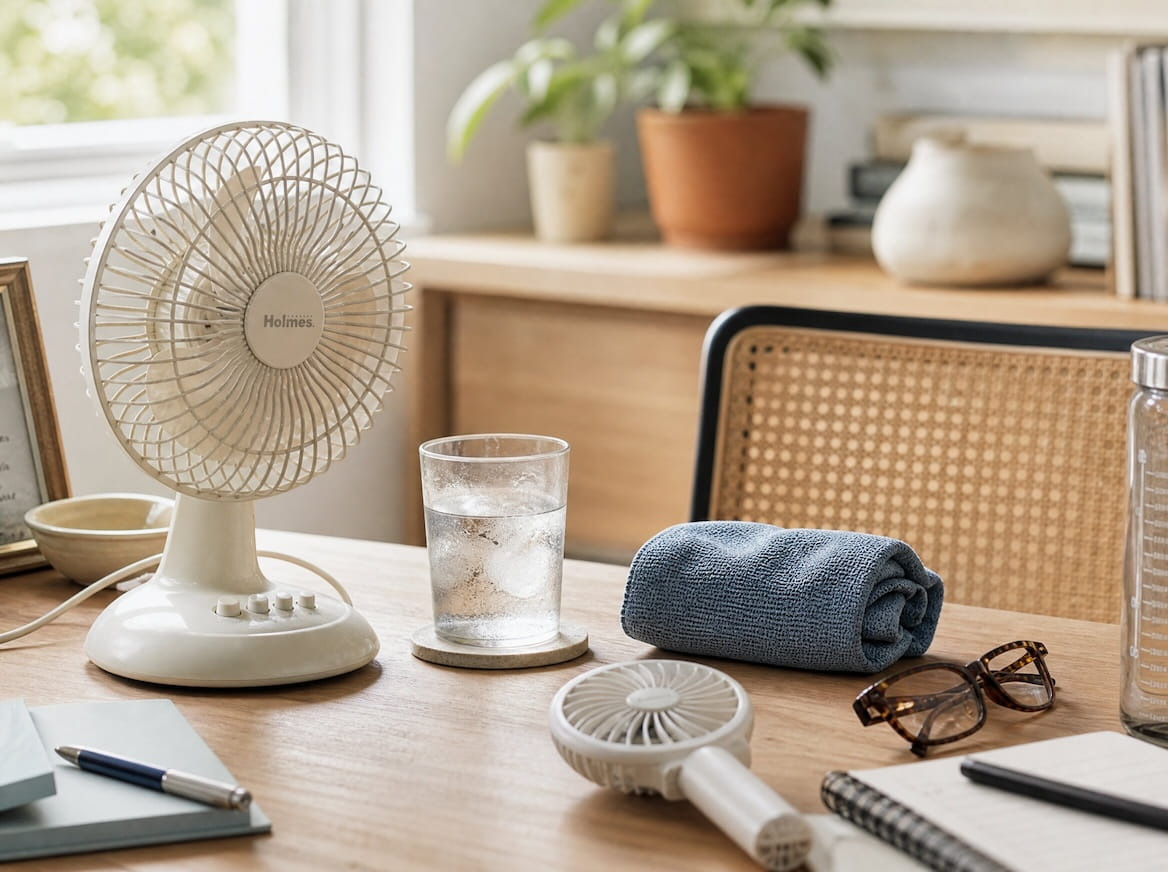
I started mapping every AC vent in every building I entered. I dressed in layers I could strip off in a panic. I carried a portable fan in my purse. I became a woman who quietly shrank her life — turning down dinner invitations, avoiding crowded rooms, dreading anything that might trap me mid-flush in public.
I didn't just lose my comfort. I lost my confidence, my patience, and — slowly — the sense of who I was.
The woman who was sharp in meetings, present with her family, steady in her own skin — she was disappearing. And I didn't know how to get her back.
Skip to what worked →Then I did something I'd told hundreds of patients to do: I went to my doctor.
She's someone I'd known for fifteen years. A good doctor. She ran labs, called me two days later, and said: "Everything looks normal, Sarah. It's probably just stress. We could try a low-dose antidepressant if you want."
I sat in my car after that call and felt something I'd never understood in my patients before. Invisible. Dismissed. Like my suffering wasn't real enough to matter.
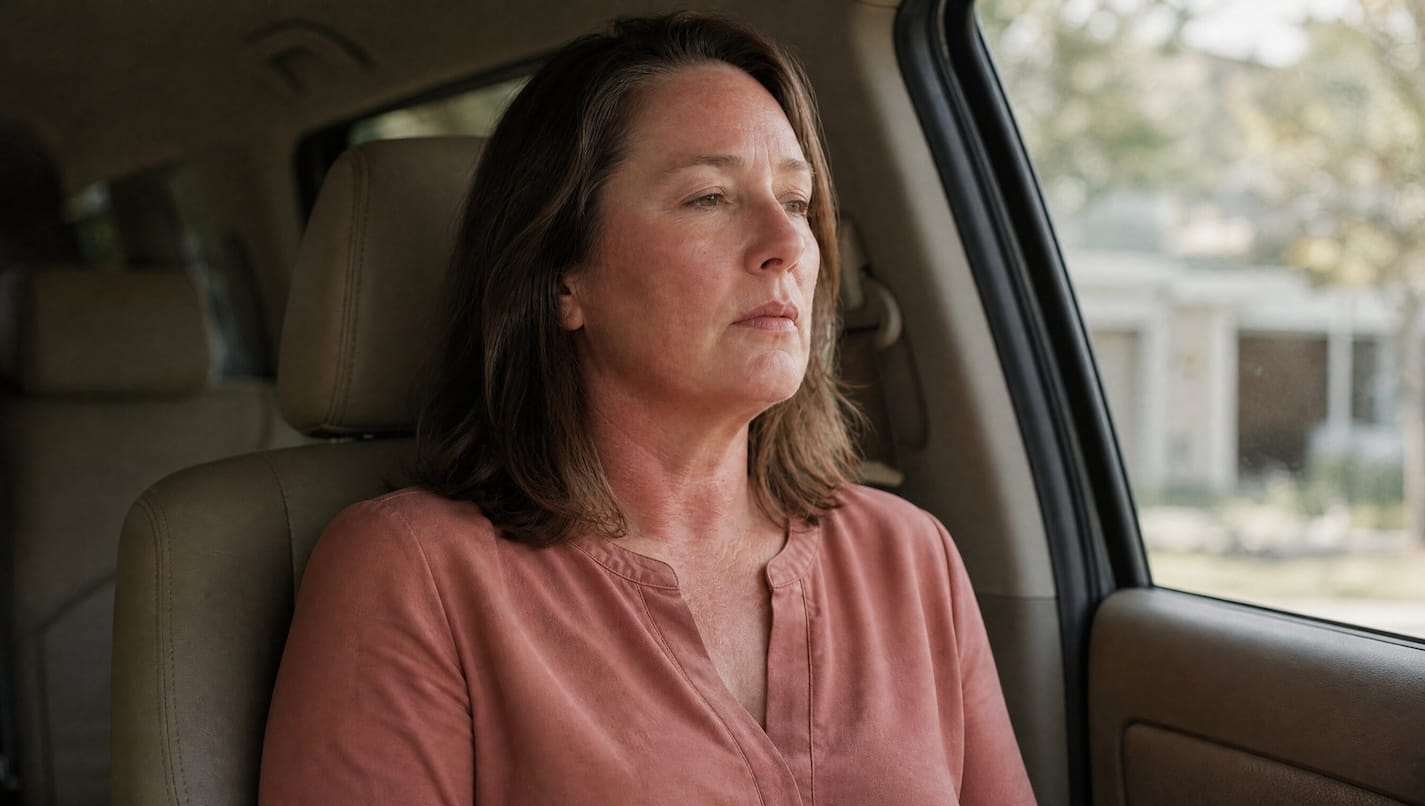
I had spent my career being the expert. And now I was the patient being told — by someone in my own profession — that my body's betrayal was "probably just stress."
I walked into that appointment a healthcare provider. I walked out a woman who finally understood what every patient I'd ever dismissed must have felt.